Executive Summary
Examining structural, material, wear-resistance design, and long-term operational costs for high-density pod hotels to optimize ROI.
Spatial Philosophy & Architectural Narrative
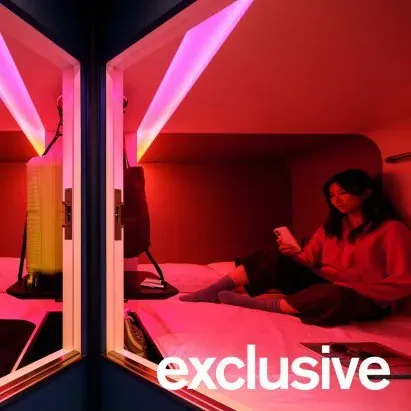
In the design philosophy of high-density accommodation, clear delineation of circulation paths and functional zones is paramount. The primary focus is maximizing the efficiency of single room types (capsule beds) while ensuring the usability and comfort of shared areas like social spaces and restrooms. Lighting design must balance individual privacy with group interaction needs, employing localized warm lighting to create a cozy ambiance, supplemented by soft public area lighting to guide user flow. Bold color palettes can effectively define different functional zones, offering a vibrant visual experience for young travelers, while subtle material textures enhance the overall perceived value. The ultimate goal is to create a modern hospitality product within a limited footprint that offers both economic viability, high utilization rates, and a positive user experience.
Luxury FF&E Material Engineering & Joinery Breakdown
The structural and material selection for high-density pod hotels directly impacts their safety, durability, and operational costs. Bed structures should utilize low-formaldehyde, F1-grade moisture-resistant, insect-proof plywood or high-strength steel compliant with national standards, ensuring structural stability and adherence to building safety regulations. Sound insulation between capsule beds is critical; it is recommended to fill the plywood structure with high-density acoustic foam and apply sound-absorbing panels on the surfaces to minimize noise transmission (e.g., an average Noise Reduction Coefficient (NRC) of 0.7 or higher). Sliding mechanisms and hinges must be robust, selected for high load-bearing capacity and fatigue life, such as metal sliders tested for over 30,000 open-close cycles to withstand frequent use. Metal trims, like PVD titanium-coated stainless steel, not only add visual refinement but are crucial for frequently contacted areas (e.g., bed edges, shelving) due to their excellent scratch and corrosion resistance. Flooring and wall materials in bathrooms and public areas should be non-slip, wear-resistant, and easy to clean, such as ceramic tiles or polymer composite materials, with attention to drainage slope and drain design to prevent water pooling and mold growth. Furthermore, all materials used must comply with relevant Taiwanese CNS or international ISO standards for fire safety, environmental protection, and general safety to ensure user well-being and long-term asset value.
Hospitality Operations, Wear Analysis & TCO Model
In the operation of high-density hospitality businesses, accurate estimation and management of Total Cost of Ownership (TCO) are crucial for profitability. Daily wear and tear in such hotels primarily affect the interior of capsule beds, bathroom facilities, and public social areas. High-frequency wear points include the edges of bed partitions, storage areas, light switches, power outlets, and the frequency of cleaning and replacement of bedding. Damage rates for furniture, flooring, and lighting fixtures in public areas are also relatively high. Engineering consultants should assist owners in establishing a standardized maintenance plan, including regular cleaning (at least quarterly), prompt repair of minor damages (within 24 hours response), and preventative replacement cycles for high-wear components (e.g., sliders, hinges, light fixtures, mattresses) (e.g., sliders every 3-5 years inspection or replacement). While selecting more durable materials and construction methods during the initial Capital Expenditure (CapEx) phase may increase upfront investment, it can significantly reduce subsequent maintenance costs and room vacancy rates due to equipment failure, thereby enhancing the long-term profitability of the asset. A TCO model should be implemented to quantitatively consider initial construction costs, expected lifespan, annual maintenance expenses, energy consumption, and potential renovation or major repair costs to make the most economically efficient decisions.
Sunder Engineering Grounding & Subtropical Climate Defense
For island climates in the Asia-Pacific region (high temperatures, high humidity, often reaching 75-85% relative humidity), controlling the moisture content of building materials and implementing moisture-proofing measures are fundamental to ensuring construction quality and extending service life. Wood-based materials (such as plywood and solid wood) must undergo rigorous moisture content testing before factory processing, ensuring stability within the 8-12% range. All exposed wood edges and joints must be treated with standard double-sided moisture-barrier sealing paint (e.g., at least two coats of polyurethane or epoxy primer) to effectively prevent moisture ingress from the air. In structural design, especially for large cabinets or wall panels, appropriate allowances for joinery stress relief should be provided to accommodate material expansion and contraction due to humidity changes, preventing cracks or deformation. Considering the salt spray corrosion prevalent in island climates, metal components (such as hinges, sliders, locks) should be selected from higher corrosion-resistance grades (e.g., 316 stainless steel or specially surface-treated alloys), with enhanced periodic lubrication and protection. Furthermore, factory prefabrication and modular construction strategies can effectively shorten on-site construction time, reduce the exposure of materials to harsh environments, and improve assembly accuracy, serving as effective methods for managing projects in challenging climatic conditions.
B2B Material & Inspection Specification Table
The following table outlines key material specifications, fabrication methods, and inspection standards for common components in high-density pod hotel construction, providing specific criteria for procurement and acceptance.
| Component | Specification | Inspection Standard | Tolerance & Criteria |
|---|---|---|---|
| Capsule Bed Structure | Low-formaldehyde F1-grade moisture-resistant plywood (E0/CARB P2), edges double-coated with PU sealant | CNS 2215 (Plywood), E0/CARB P2 Certification | Moisture content 8-12%, no significant deformation or cracking on surface; edge rounding R ≥ 2mm |
| Sound Insulation | High-density acoustic foam fill (NRC ≥ 0.7), surface with 9mm thick sound-absorbing panels | ASTM C423 (Sound Absorption), CNS 11678 (Fire Rating) | Dense fill with no voids, flat surface, no damage |
| Drawer Slides & Hinges | Steel heavy-duty slides/hinges, load capacity ≥ 50kg, fatigue tested for 30,000+ cycles | ANSI/BHMA A156.9 (Hinges), EN 1527 (Slides) | Smooth operation without noise, proper locking function, no scratches or rust on surface |
| Metal Trims | PVD titanium-coated stainless steel (SUS304), thickness ≥ 0.8mm | ASTM A240 (Stainless Steel), PVD Coating Test | Uniform coating with strong adhesion, no blistering or peeling; no obvious surface defects |
| Floor Tiles | Anti-slip tiles with slip resistance coefficient ≥ R10, water absorption ≤ 3% | ISO 10545-11 (Chipping Resistance), ISO 10545-7 (Abrasion Resistance) | Flat surface, uniform grout lines, no breakage or color variation; securely laid |
| Bathroom Fixtures | Ceramic basin/toilet with anti-bacterial coating, SUS304 stainless steel faucets | CNS 4940 (Ceramics), CNS 8089 (Faucets) | Smooth surface without pores, normal flushing function, no leaks; clear material markings |
During inspection, special attention should be paid to the surface treatment details of each component, ensuring all metal parts are free from scratches and corrosion, wood surfaces are smooth without burrs, and all functional components (e.g., slides, hinges) operate smoothly.