Executive Summary
This column offers an in-depth analysis of high-end hospitality FF&E projects, spanning from the architectural volume to the refined interior spatial philosophy. It precisely deconstructs FF&E material engineering and structural craftsmanship using objective physical metrics and data. By integrating high-frequency wear analysis over the hotel's operational cycle, a comprehensive Total Cost of Ownership (TCO) defense model is presented. Furthermore, in response to subtropical climate challenges, Sunder Engineering's localized manufacturing and climate protection strategies are detailed, culminating in stringent B2B procurement, inspection, and acceptance standards to ensure long-term asset value.
Spatial Philosophy & Architectural Narrative
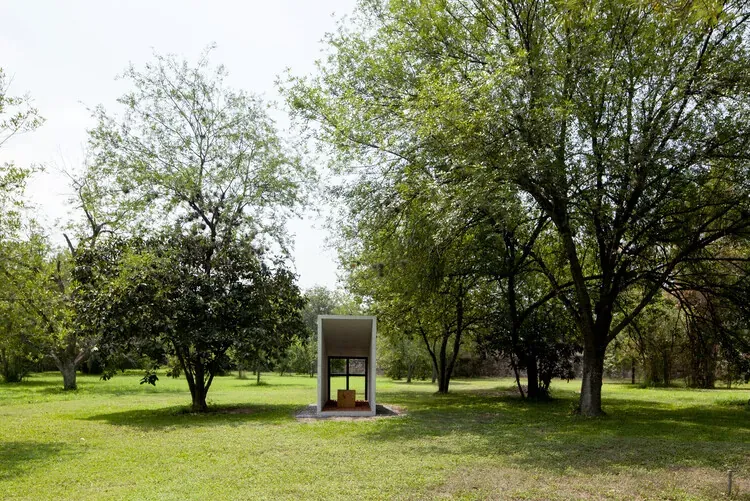
In the design of luxury hospitality, FF&E (Fixtures, Furniture & Equipment) is not merely decorative but a tangible vessel for spatial philosophy and brand narrative. Taking a ‘tunnel-like’ structure as an example, its 8 cm thick reinforced concrete walls and 6.5 cm floor slab collectively define a unique volume, creating an engaging linear flow. FF&E design must precisely respond to this architectural language, using bespoke vocabulary to translate the mechanical beauty of the structure into a visual and tactile experience. For instance, built-in furniture such as wardrobes, desks, and bedside tables in guest rooms should echo or contrast with the architectural diagonal walls, creating visual continuity or dramatic tension.
Natural light is crucial for shaping the spatial atmosphere. Through the design of architectural openings, light penetrates the interior at varying angles and intensities. FF&E material selection and surface treatments must possess corresponding optical reflective or absorptive properties. For example, using matte or low-sheen wood finishes to soften direct light, or selecting PVD titanium metal trims to capture and refract light, adding depth to the space. In terms of circulation, the layout of built-in furniture must not only comply with ergonomics but also seamlessly integrate into the spatial flow. For instance, integrating a mini-bar with a desk into a multi-functional unit, or designing hidden storage to maintain an uncluttered and expansive feel, avoiding visual obstructions.
The cultivation of brand experience is manifested in FF&E’s meticulous attention to detail and material selection. Every piece of built-in furniture, from the chosen wood veneer grain and the natural hue of stone to the tactile feel and smooth operation of hardware, should precisely convey the brand’s luxury positioning and exquisite craftsmanship. This is not merely an aesthetic consideration but a pursuit of ‘timeless design’ – ensuring that through superior materials and craftsmanship, furniture retains its original style and function decades later, consistently providing guests with an exceptional experience and reinforcing the hotel brand’s enduring value.
Luxury FF&E Material Engineering & Joinery Breakdown
The core value of high-end hospitality FF&E is embodied in its superior material engineering and structural breakdown. For wood substrates, Sunder Engineering insists on using F1 grade moisture-resistant plywood, which has low formaldehyde emissions compliant with the strictest environmental health regulations (e.g., CNS 2215, CNS 1349). Simultaneously, it offers excellent moisture resistance, effectively countering swelling, warping, and mildew that can arise in subtropical humid environments. The cross-laminated grain structure of plywood provides outstanding dimensional stability and bending strength, making it an ideal base material for built-in furniture. For load-bearing components, such as drawer bottoms or shelves, a minimum of 18mm thick plywood is used to ensure long-term load capacity.
The selection and installation of hardware systems are critical to determining furniture durability. High-frequency use hardware components like hinges and drawer slides must pass rigorous fatigue life tests. For example, common European brand hinges require 80,000 to 100,000 open-close cycles without significant functional degradation. Drawer slides, in turn, must have a load capacity of 40-50 kg and undergo over 50,000 full-load pull-out cycles. Sunder Engineering selects hardware with soft-closing mechanisms, which not only enhances user experience but also reduces closing impact, extending furniture lifespan. All hardware must meet salt spray test standards to ensure corrosion resistance in high-humidity environments.
For metal trimming, PVD (Physical Vapor Deposition) titanium stainless steel is utilized. Compared to traditional electroplating, PVD coating offers higher hardness (Mohs 7-8), excellent wear resistance, and anti-corrosion properties. The coating thickness is typically controlled between 0.5-2 microns, providing long-lasting luster and color stability, less prone to fading or degradation from cleaning agents or physical abrasion. Applied to high-impact areas like table edges and cabinet door frames, it not only enhances aesthetics but also significantly boosts the furniture’s impact resistance.
When using natural stone (e.g., marble, granite), especially for tabletops or vanity tops, fiberglass mesh backing is a required technique. By bonding high-strength fiberglass mesh to the back of the stone with epoxy resin, its flexural and impact strength is significantly improved, reducing the risk of fracture or cracking during transportation, installation, and daily use. This backing treatment ensures that even if the stone breaks from accidental impact, it maintains overall integrity, preventing fragments from scattering and enhancing safety. Adhesion between stone and substrate uses specialized adhesives compliant with ASTM C920 standards, ensuring long-term stability.
Fabric selection is crucial for comfort and durability. For upholstered furniture such as sofas and chairs, fabrics must pass the Martindale abrasion test, with commercial applications recommending at least 40,000 cycles or more, ensuring lasting durability in high-frequency hotel environments. Fire retardancy is a critical fire safety consideration; all fabrics, fillings, and composite materials must comply with high-level fire retardancy standards like BS 7176 (e.g., Medium Hazard or High Hazard) or relevant regulations such as NFPA 701 (USA), to effectively inhibit flame spread in the event of a fire, protecting guests’ lives and property. Furthermore, fabric properties such as lightfastness, pilling resistance, and stain-resistant treatments are key indicators for Sunder Engineering during material selection, ensuring an optimal balance between aesthetics and practicality.
Hospitality Operations, Wear Analysis & TCO Model
From a hotel owner’s perspective, FF&E procurement decisions extend far beyond initial Capital Expenditure (CapEx); they must incorporate a Total Cost of Ownership (TCO) model spanning a 5-10 year operational cycle. Guest rooms and public areas, under daily high-frequency use, endure continuous physical wear and potential damage. Common high-impact pain points include: luggage scratches on walls and cabinetry, frequent contact between guest chairs and table edges, moisture erosion on bathroom countertops and door frames, and wear on public area sofas and carpets. Failure to adequately consider these factors during the design and material selection phases will lead to escalating maintenance costs, potentially impacting guest experience and brand reputation.
The core of the TCO model lies in balancing initial investment with long-term operational costs. Substandard FF&E may reduce initial CapEx, but its rapid degradation rate will necessitate frequent repairs and replacements. Taking a guest room desk as an example, if the edge banding uses general PVC instead of high-wear-resistant ABS, it might require partial repair or full replacement within five years due to peeling edges. Each repair incurs material and labor costs and results in room downtime, leading to revenue loss. Assuming a single repair costs NTD 2,000 and one day of room downtime loses NTD 3,000, three repairs within five years would amount to NTD 15,000 (excluding initial furniture cost), significantly higher than the incremental cost of using superior materials.
Sunder Engineering’s proposed TCO defense model suggests dividing the FF&E lifecycle into three stages:
- Initial Investment (CapEx): Selection of high-quality materials, precise craftsmanship, and durable hardware, while increasing initial investment, significantly enhances furniture durability.
- Daily Operational Maintenance (OpEx): Establish standardized cleaning and maintenance procedures, with regular inspection of wear points. High-quality FF&E reduces the frequency and complexity of routine maintenance.
- Cyclical Refurbishment/Replacement (Replacement CapEx): After an anticipated 5-10 years, some high-wear components may require replacement. High-quality FF&E’s modular design allows for the replacement of individual components rather than entire units, greatly saving costs.
Specifically, we recommend that FF&E lifecycle maintenance budgets be factored into financial planning. For instance, for guest room furniture, an annual maintenance fund equivalent to 3-5% of the furniture’s initial cost can be reserved. Through rigorous selection of furniture materials, hardware, and finishes, ensure a design life of at least 7-10 years, minimizing unplanned repairs during this period. Through this TCO model, hotel owners can more accurately assess their return on investment, maximize asset value, and consistently deliver a premium experience to guests, avoiding hidden costs and brand damage due to FF&E quality issues.
Sunder Engineering Grounding & Subtropical Climate Defense
Most subtropical island climates in the Asia-Pacific region are characterized by high temperatures and high humidity (relative humidity often between 75-85%), posing severe challenges to the long-term performance of FF&E. Sunder Engineering, with its deep understanding of these environmental characteristics, has developed a rigorous engineering grounding and climate defense strategy specifically for such venues, ensuring the structural stability and lasting aesthetics of built-in furniture.
Moisture Content Control is a fundamental and critical step. All wood substrates, before entering the processing stage, must undergo at least 72 hours of pre-treatment in a temperature and humidity-controlled workshop to ensure their moisture content is stably maintained within the ideal range of 8-12%. This moisture content is close to the equilibrium moisture content of subtropical environments, minimizing swelling or shrinkage of finished furniture due to drastic changes in environmental humidity. We conduct batch sampling inspections using high-precision wood moisture meters and record data for each batch to ensure compliance with standards.
Double-sided Moisture-proof Sealing is the core technology to combat moisture intrusion. All cut edges and both faces of wooden panels must be coated with at least two layers of high-solid content, environmentally friendly, moisture-proof topcoats or primers. Hidden surfaces and back panels contacting walls must also not be overlooked. This comprehensive sealing treatment effectively prevents atmospheric moisture from penetrating the wood’s interior, reducing the risk of deformation, cracking, and even mold growth due to moisture absorption. Edge banding utilizes high-strength PUR hot melt adhesive, providing superior moisture resistance and bonding performance, ensuring edges do not easily detach.
Joinery Stress Allowance is a wise combination of traditional craftsmanship and modern engineering. For solid wood furniture or solid wood trim components, when designing joinery structures, the differing expansion and contraction coefficients of wood fibers are considered. For example, floating panels are employed, or small gaps (e.g., 0.2-0.5mm) are left between tenons and mortises, allowing the wood to naturally move slightly with humidity changes without building up internal stress that could lead to cracking. This ‘yielding to overcome rigidity’ design philosophy is key to ensuring the long-term stability of furniture in high-humidity environments.
Modular Prefabrication for Lead Time Control is demonstrated through production efficiency and quality stability. Sunder Engineering disassembles built-in furniture into standardized, independently manufacturable, and transportable modular units. All components undergo precise cutting, processing, finishing, and preliminary assembly in modern factories with controlled temperature and humidity. This approach not only significantly shortens on-site construction time, reducing disruption to hotel operations, but also ensures the processing accuracy and finish quality of each unit in a controlled environment. Only rapid final assembly and adjustment are required on-site, effectively addressing potential logistical challenges and unpredictable weather factors inherent in island projects, thereby achieving precise lead time management and excellent quality delivery.
B2B Material & Inspection Specification Table
To ensure the ultimate quality of FF&E projects and protect the owner’s interests, B2B procurement must adhere to stringent material and inspection specifications. Below are Sunder Engineering’s recommended core component inspection standards and acceptance criteria:
B2B Material & Inspection Specification Cross-Reference Table
| Component | Material & Craftsmanship Specification | International Inspection Standard | Acceptance Tolerance/Indicator |
|---|---|---|---|
| Wood Substrate | F1 grade moisture-resistant plywood (18mm), low formaldehyde | CNS 2215, CNS 1349 | Formaldehyde emission ≤ 0.3 mg/L; Moisture content 8-12% |
| Hinges | Soft-closing, heavy-duty, stainless steel | ANSI/BHMA A156.9 | Fatigue test ≥ 80,000 cycles; Salt spray test ≥ 96 hours no corrosion |
| Drawer Slides | Full extension, 45 kg load capacity, soft-closing | ANSI/BHMA A156.9 | Full-load cycle test ≥ 50,000 cycles; Smooth operation |
| Metal Trimming | PVD Titanium Stainless Steel (SUS304), 0.8mm thick | ASTM B117, ISO 2409 | Film thickness 0.5-2 µm; Hardness Mohs 7-8; Cross-cut adhesion 0 grade |
| Natural Stone | Marble/Granite, with fiberglass mesh backing | ASTM C920 | Flatness ±1.0mm/m; No cracks, no color variation; Secure mesh adhesion |
| Fabric | Fire-retardant, high-abrasion polyester or blend (350g/m²) | BS 7176, Martindale | Abrasion cycles ≥ 40,000; Fire retardancy Medium Hazard; Lightfastness Grade 4+ |
| Lacquer Finish | Eco-friendly PU or water-based, 3 base + 2 top coats or more, scratch/wear-resistant | ASTM D3359, ISO 2409 | Film thickness ≥ 150 µm; Adhesion 0 grade; Pencil hardness H-2H |
Brief Acceptance Guidelines:
- Visual Inspection: Check all surfaces for flatness, absence of scratches, color variations, bubbles, or foreign particles. Pay close attention to the uniformity and integrity of veneer joints, edge banding, and finishes.
- Dimensional Measurement: Use measuring tools for spot checks on key dimensions, ensuring compliance with design drawings and acceptance tolerances.
- Functionality Test: Manually operate all movable parts (drawers, cabinet doors, rotating mechanisms) to ensure smooth operation, no abnormal noise, no sticking, and proper soft-closing function.
- Structural Stability: Gently shake or press the furniture to ensure no wobbling, no abnormal sounds, and tight, seamless joints.
- Material Certification: Request original manufacturer certificates and test reports (e.g., formaldehyde test report, fire retardancy certificate, Martindale report) for all critical materials from the supplier, and verify batch numbers. Third-party sampling inspection can be conducted if necessary.