Executive Summary
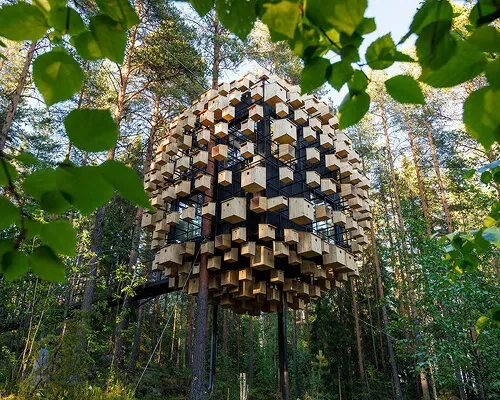
Contemporary architecture transcends anthropocentrism, integrating biodiversity and natural symbiosis to redefine the profound meaning of luxury and sustainability.
Analytical Insights
- Spatial Narrative & Ecological Aesthetics: Integrating non-human habitats into building facades and overall master plans not only respects biodiversity but also creates unique visual layers and vitality. This imbues luxury spaces with an unparalleled "natural luxury" experience, enhancing residents' spiritual connection and sense of place.
- Craftsmanship & Durability Considerations: Designing embedded nesting cavities or corridors for non-human residents necessitates the use of environmentally friendly and highly durable materials. This challenges architects and engineers to innovate in material selection, precisely considering weather resistance, maintenance costs, and long-term structural stability to ensure these ecological elements can coexist with the main building for decades.
- Asset Appreciation & Brand Differentiation: While initial capital expenditure (CapEx) might increase due to specialized design and materials, in the long run, such biodiversity-friendly architecture significantly enhances total cost of ownership (TCO) benefits. It attracts a clientele highly conscious of sustainability, strengthens brand leadership in ESG initiatives, and can lead to potential environmental certifications and tax incentives, creating intangible brand value and tangible asset returns for owners.
- Forward-Looking Trends & Urban Symbiosis: This design trend signifies a shift in architectural thinking from solely human habitation to a broader urban ecological symbiosis. It foreshadows a future where buildings are no longer isolated structures but organic entities deeply integrated with the natural environment, strategically creating habitats for wildlife to foster more resilient and harmonious future cityscapes.
- Environmental Education & Social Responsibility: Architectural designs integrating non-human residents offer unique environmental education opportunities, allowing users and the community to gain a deeper understanding of ecological balance. This not only enhances the social value of the architecture but also establishes a responsible and forward-thinking corporate image for the owner.