Executive Summary
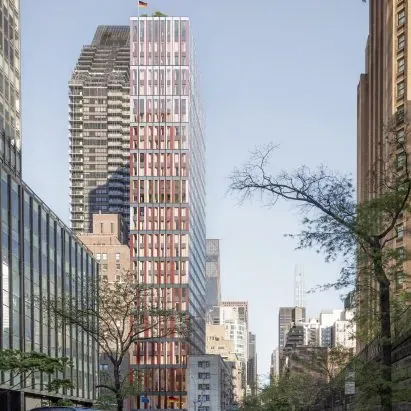
A collaboration of architectural titans revitalizes Manhattan's German House, redefining national identity through sustainable luxury and a new urban emblem.
Analytical Insights
- Spatial Aesthetics & Narrative: The redesign aims to meticulously reflect German core values through facade and interior transformation, elevating the German House into a "civic landmark" near the United Nations complex that conveys both gravitas and openness. The design challenge lies in balancing functionality with aesthetic refinement, avoiding ostentation in favor of a precise yet elegant vocabulary that communicates German rigor, innovation, and cultural depth.
- Material Craftsmanship & Durability: Recladding a 99-meter-tall skyscraper demands a rigorous selection of materials. Sunder emphasizes the necessity of choosing materials with exceptional durability, weather resistance, and thermal performance to ensure the building's long-term stability and minimal maintenance in New York's dynamic climate. This commitment extends beyond aesthetics, embodying a tribute to German precision engineering and directly impacting the building's lifecycle value.
- Optimizing Owner Asset Value (CapEx/TCO): The comprehensive overhaul of German House represents a significant capital expenditure CapEx. However, through thoughtful design and engineering practices, this project is poised to substantially elevate the property's international prestige and market appeal, attracting high-caliber tenants or solidifying its diplomatic function. Simultaneously, optimizing the building's energy efficiency and long-term operating costs TCO will be crucial for maximizing return on this investment.
- Future Design Trends & Environmental Responsibility: This renovation project signals a future trend in architectural design that places greater emphasis on embedding cultural narratives and shaping a distinct sense of place. Sunder anticipates the new design will integrate advanced smart building technologies, environmental control systems, and flexible interior layouts to adapt to evolving diplomatic and professional requirements. This is not merely a revitalization, but a declaration of commitment to sustainable development and a paradigm for modern governmental institutional architecture.